Conditions We Treat
Neurological Conditions
Comprehensive assessment, diagnosis, and treatment across a wide range of
neurological disorders.
Parkinson's Disease
Parkinson's disease is a condition where the
brain has trouble making dopamine, leading to symptoms like shaking, slower movements, balance
issues, and changes in mood. It is a progressive neurological disorder, which means it gets
worse over time, but it affects everyone differently. Although there is no cure, there are many
treatments and support options available to help manage the symptoms effectively.
Cluster Headache
Cluster headaches are extremely painful, causing
sharp, debilitating pain, eye watering, and significant distress. Over-the-counter pain
relievers often provide minimal relief. Characterized by episodic attacks, individuals may
experience intense pain for 4 to 12 weeks each year, followed by long periods of remission. The
exact cause remains unclear, although research suggests the hypothalamus plays a role. Our
approach focuses on specialized treatments aimed at managing the severe discomfort of cluster
headaches, thereby improving the quality of life for those affected.
Epilepsy
Epilepsy is a complex brain condition
characterized by repeated seizures due to unusual electrical activity. These seizures can
manifest as loss of consciousness, shaking, or strange behavior. It encompasses various
disorders linked by brain-triggered seizures. Diagnosis usually follows two or more seizures,
distinguishing epilepsy from isolated incidents. Not every seizure indicates epilepsy, and it
affects individuals of all ages and backgrounds. Other conditions, like fainting or low blood
sugar, can mimic seizures, emphasizing the importance of accurate diagnosis and tailored
treatment plans.
Restless Legs Syndrome (RLS)
Restless Legs Syndrome (RLS) is a common
sleep-related movement disorder characterized by an uncomfortable urge to move the legs,
impacting about 7% of adults, especially women. Symptoms typically worsen with age and during
rest, particularly in the evenings, but movement provides temporary relief. The exact cause of
RLS is unclear, involving potential nervous system changes, reduced iron levels, and altered
dopamine. Treatment options vary and can include iron supplements, dopamine agonists like
pramipexole and ropinirole, and anticonvulsants such as gabapentin, tailored to the
individual.
Memory Disorders
Memory disorders encompass a range of
conditions that affect cognitive function, including difficulties with recall, concentration,
and daily tasks. These may include early-onset dementia, Alzheimer's disease, and
age-related cognitive decline. Early assessment is crucial, as timely diagnosis can open
the door to treatments that slow progression and support quality of life. Our approach
includes thorough cognitive testing, neuroimaging, and personalised management plans.
Dizziness & Vertigo
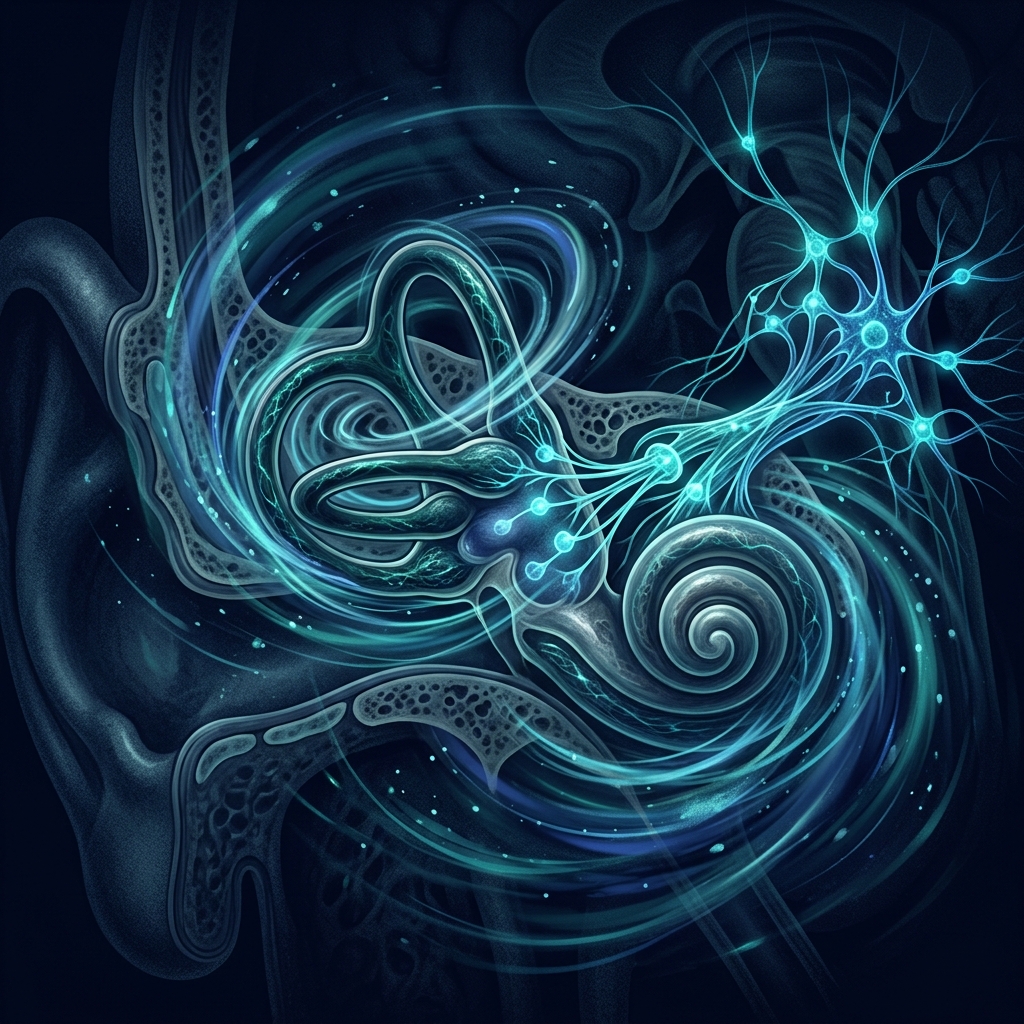
Dizziness and vertigo are among the most
common reasons patients seek neurological assessment. These symptoms can arise from vestibular
disorders, inner ear conditions, migrainous vertigo, or central nervous system causes.
A careful clinical evaluation, often supported by specialised vestibular testing and
neuroimaging, is essential to identify the underlying cause and guide effective treatment,
which may include medication, vestibular rehabilitation, or targeted therapy.
Neuropathy & Nerve Pain
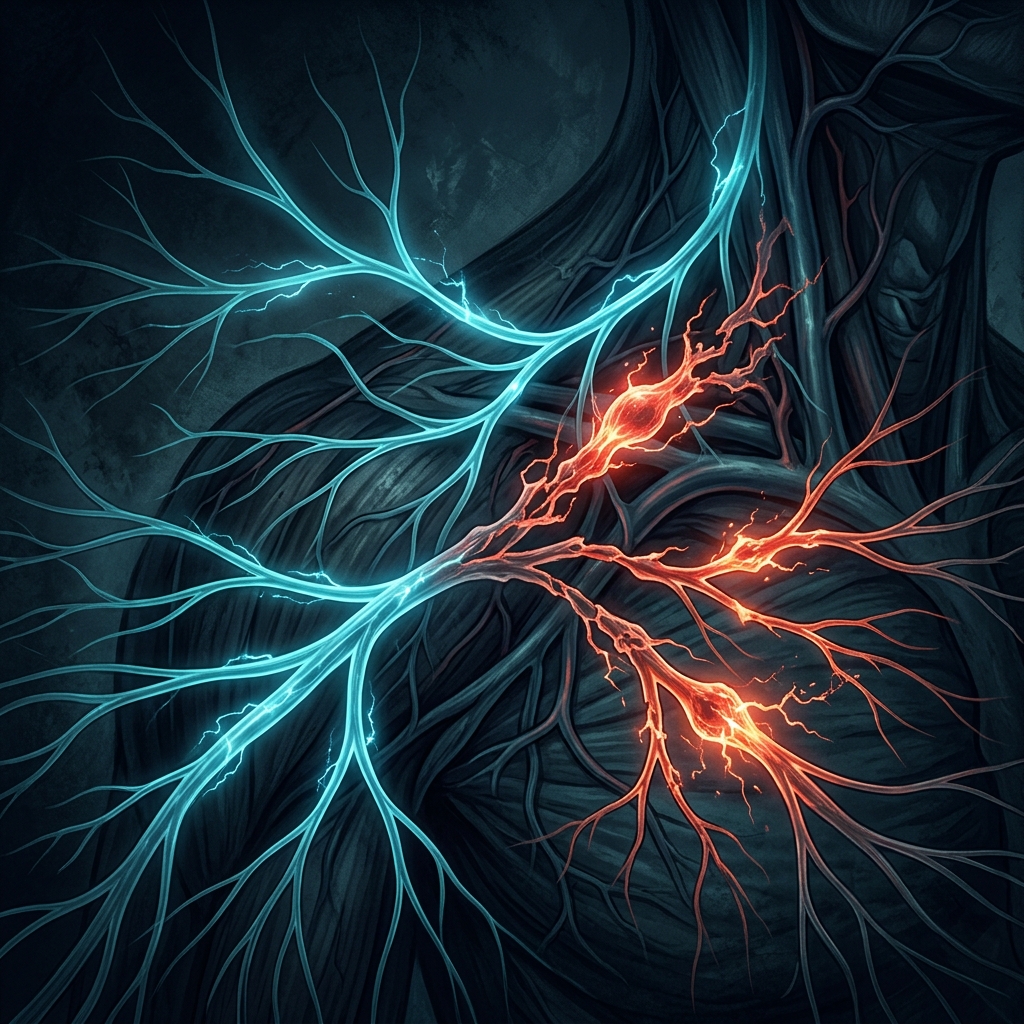
Peripheral neuropathy occurs when nerves
outside the brain and spinal cord are damaged, leading to numbness, tingling, burning pain,
and weakness, most commonly in the hands and feet. Causes include diabetes, autoimmune
conditions, vitamin deficiencies, infections, and certain medications. Accurate diagnosis
through nerve conduction studies and clinical assessment allows us to identify the underlying
cause and develop a targeted treatment plan to manage symptoms and slow progression.
Tremor
Tremor is an involuntary, rhythmic shaking
of a body part, most often the hands, and is one of the most common movement disorders.
While essential tremor is the most frequent cause, tremor can also be associated with
Parkinson's disease, medication side effects, thyroid conditions, and other neurological
disorders. A thorough clinical assessment helps distinguish between the different types,
guiding appropriate treatment options that may include medication, lifestyle adjustments,
or referral for advanced therapies.